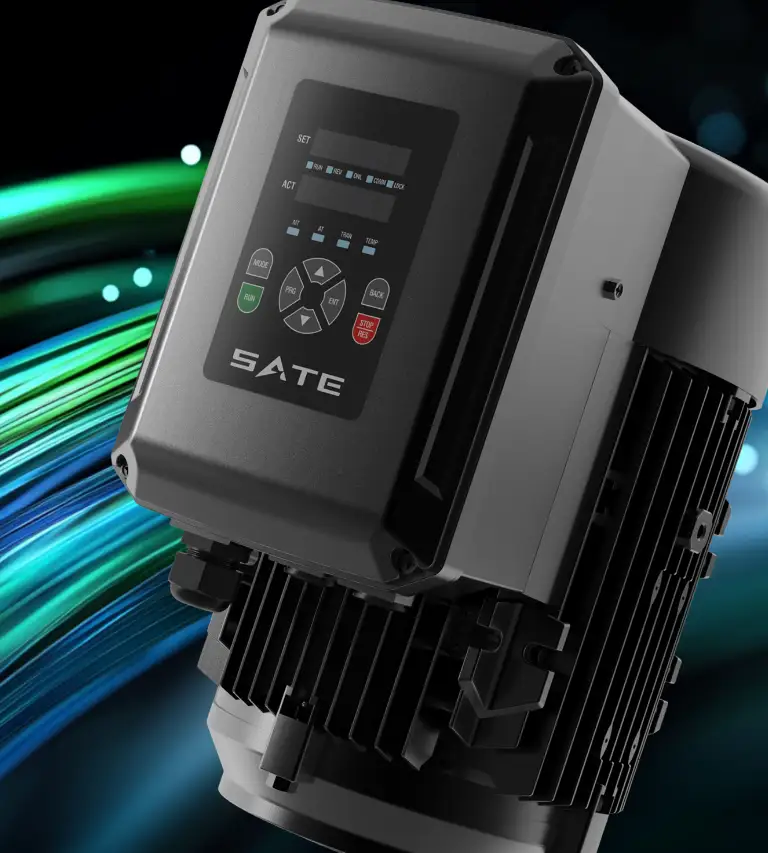
 Permanent Magnet Synchronous Motor: The Core Driving Force of Modern Drive Systems
As the core of modern drive technology, the Permanent Magnet Synchronous Motor (PMSM) has become a critical component in fields such as electric vehicles and industrial automation, thanks to its high efficiency and compact design. Its unique structure and operating principles give it significant advantages in power density, energy efficiency, and control precision.
II. Technical Advantages: A Perfect Balance of High Efficiency and Compactness
- High Power Density and Efficiency: Permanent magnets eliminate the need for additional excitation current, thereby reducing energy losses. This allows the motor to maintain high efficiency across a wide speed range, making it particularly well-suited to meet the range requirements of new energy vehicles.
- Fast Dynamic Response: The Interior Permanent Magnet Synchronous Motor (IPMSM) utilizes reluctance torque to enhance overload capacity and achieve rapid acceleration and deceleration, fulfilling the handling demands of high-performance electric vehicles.
- Compact Structure: Its smaller size and weight facilitate integration into limited spaces, such as electric vehicle wheel hubs or axles, thereby optimizing the overall vehicle layout.
- Reliability and Low Noise: The fully enclosed design and low heat generation reduce maintenance requirements, making it ideal for scenarios requiring long-term stable operation.
III. Core Applications: Driving the Future of Transportation and Industry
- New Energy Vehicles: Automakers such as BYD and Toyota widely adopt PMSM drive systems, as their high energy efficiency directly extends vehicle driving range.
- Industrial Automation: Robots and CNC machine tools rely on its high-precision control to execute complex operations, such as the precise positioning of robotic arms.
- Green Energy: Permanent magnet synchronous generators in wind power systems efficiently convert wind energy into electrical energy, reducing overall system costs.
- Smart Cities: Elevators and rail transit systems utilize PMSMs to achieve smooth driving and energy conservation.
IV. Future Outlook: Continuous Innovation in Materials and Control
Driven by breakthroughs in rare-earth permanent magnet materials and the optimization of AI control algorithms, PMSMs are developing towards higher temperature tolerance and lower costs. They will further penetrate cutting-edge fields such as aerospace and consumer electronics, serving as a vital engine for the drive technology revolution.
Harnessing the power of magnetic fields, the Permanent Magnet Synchronous Motor is redefining the energy efficiency boundaries of modern drive systems and continuing to lead technological transformation.

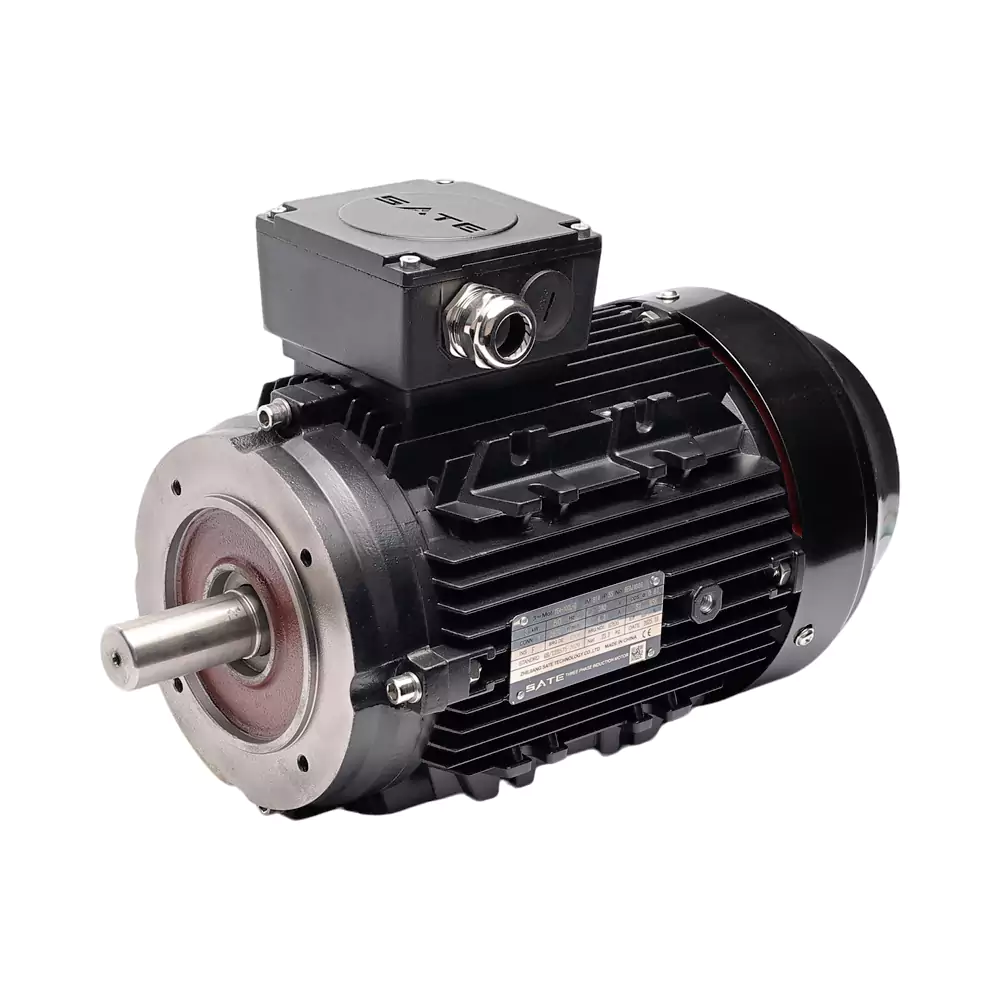 Three-Phase Asynchronous Motor: The Cornerstone of Industrial CivilizationThree-Phase Asynchronous Motor: The Cornerstone of Industrial Drive—High Efficiency, Reliability, and Versatile Applications
As the most comm...View Details
Three-Phase Asynchronous Motor: The Cornerstone of Industrial CivilizationThree-Phase Asynchronous Motor: The Cornerstone of Industrial Drive—High Efficiency, Reliability, and Versatile Applications
As the most comm...View Details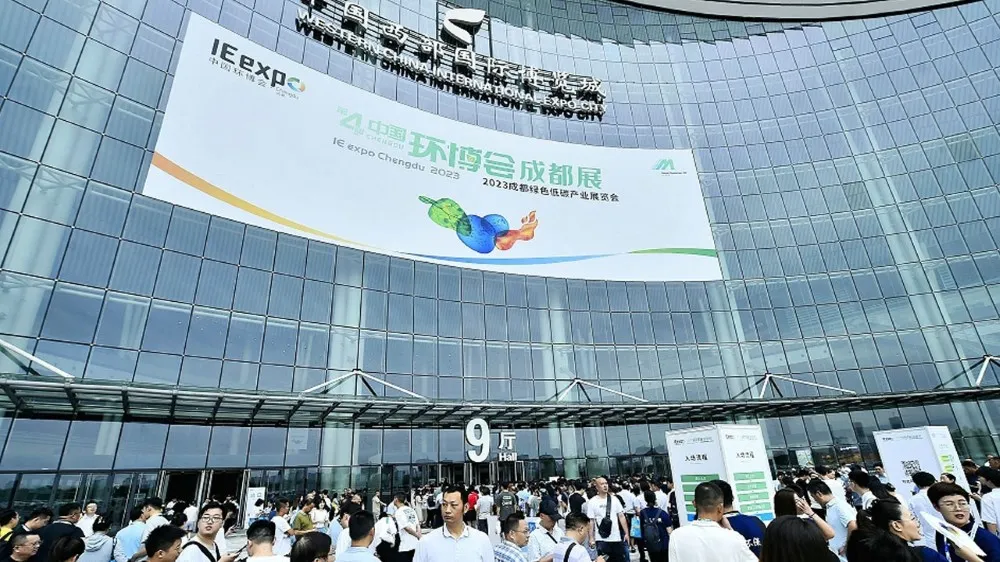 The 6th IE Expo Chengdu 2026A Premier Gathering of High-Quality Enterprises in Western China: The 6th IE Expo Chengdu 2026 Awaits You
Exhibition Dates: September 16–1...View Details
The 6th IE Expo Chengdu 2026A Premier Gathering of High-Quality Enterprises in Western China: The 6th IE Expo Chengdu 2026 Awaits You
Exhibition Dates: September 16–1...View Details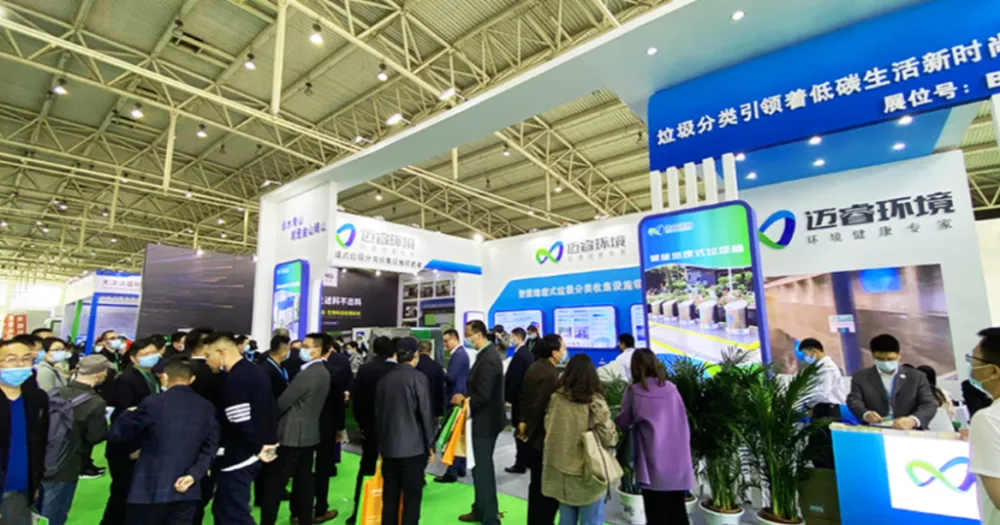 2026 Xiamen International Smart Sanitation, Municipal Facilities and Cleaning Equipment ExpoOrganizer: Xiamen Municipal Public Utilities Federation
Executive Organizer: Beijing Qifa Exhibition Service Co., Ltd.
Co-Organizer: ...View Details
2026 Xiamen International Smart Sanitation, Municipal Facilities and Cleaning Equipment ExpoOrganizer: Xiamen Municipal Public Utilities Federation
Executive Organizer: Beijing Qifa Exhibition Service Co., Ltd.
Co-Organizer: ...View Details